
5 min read
Mature Bucks Are Predictable Right Now. Don’t Waste It
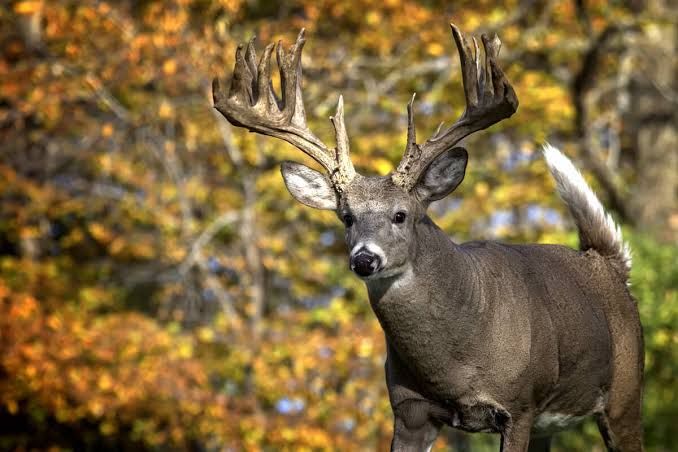
Mature late-summer bucks are still patternable. Here is how to learn one without pushing him out before opening day.

The buck, the why, and the gear
Mature Bucks Are Predictable Right Now. Don’t Waste It.
Late-summer bucks are still doing hunters a favor: feeding in bachelor groups, using repeatable food-to-bed routes, and showing themselves before dark. The next few weeks can tell you more about an early-season buck than a pile of old trail-camera pictures.
The trick is learning the routine without becoming part of it. Glass from a distance, let cameras fill the gaps, and save the intrusion for the day you intend to hunt. Let’s dive in.
The Buck
𐂂
Early-season bucks · Late-summer scouting · Food-to-bed patterns · August 2026
3
WEEKS
80%
FIELD CAMS
20%
OTHER
Late summer is one of the cleanest windows for learning a mature whitetail before hunting pressure and changing fall behavior scramble the picture. Bachelor bucks are still reaching green fields in the afternoon, while cameras can show the same deer traveling between food and bedding cover.
The scouting approach starts at a distance. Glass green fields near legal hunting ground, then pay attention to where a target buck enters, where he leaves, and what wind lets him make that trip comfortably. Once you find the deer, stop driving from field to field and start watching that one pattern with a purpose. Keep notes on wind, temperature, barometric pressure, and other conditions instead of trusting memory.
Trail cameras are there to confirm the route, not replace woodsmanship. Put most of your summer cameras where they can watch field edges, then use the rest to cover ponds, trail intersections, and likely travel routes. The bigger point is restraint. A mature buck on a reliable food-to-bed pattern is useful information only as long as you do not push him off it before the season opens.
𐂂 Field Fact
Finding the feeding field is only half the pattern. The useful information is where a buck enters and exits it, because that travel route is what gives you a low-pressure setup between bedding cover and food.

The Woodsman’s Edge
𐂂
The best time to sort out an antlerless tag is before a doe is standing in range.
Wisconsin’s system is not complicated, but it does punish assumptions. A valid authorization in the wrong unit or for the wrong land type is not the authorization you need for that hunt.
𐂂 Before you buy, mark the exact property you plan to hunt and confirm its deer management unit. Then decide whether you need a public- or private-land authorization. Do not rely on memory from last season.
𐂂 Have your Go Wild login and deer hunting license approval ready before the sale window. If you enter between 9:45 and 10 a.m., the queue is randomized, so there is no reason to spend the morning refreshing the page.
𐂂 Have a backup unit only if you have legal access there and would honestly hunt it. One authorization can be purchased per person per day where available, so a sold-out first choice is not a reason to buy a tag for ground you cannot use.
The Field Call
𐂂
Would You Take The Shot?
61 yards. Mature doe. Public land. Your only antlerless authorization says private land.
She steps broadside into a clean opening with plenty of legal light left. The shot is there, but the only antlerless authorization in your pocket does not match the ground under your boots.
What’s your move?
Tap your call to check the Wisconsin rule behind Dale’s pick.
Gear Bench
𐂂
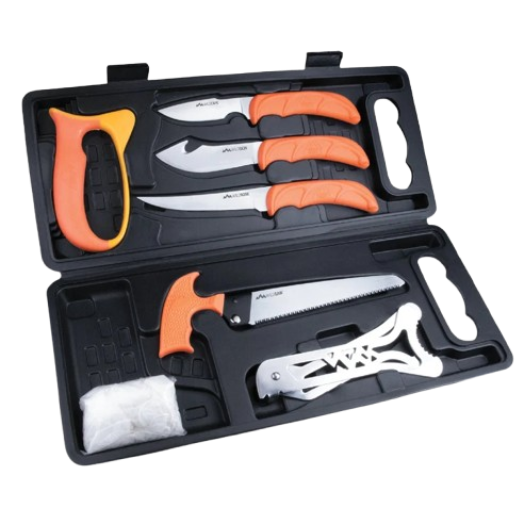
Outdoor Edge Wild Pak
$59.99
Dale’s note: If you are planning to fill an antlerless tag, the work after the shot belongs in the plan too. The Wild Pak keeps a caping knife, gut-hook skinner, 5-inch boning and fillet knife, 6-inch saw, ribcage spreader, gloves, and a sharpener together in one hard case. I like a setup like this because it keeps the whole field-dressing job in one place instead of making you dig through three pockets when light is fading. Keep the blades under control, work deliberately, and clean the kit after every animal.
The Last Word
𐂂
Buying a bonus doe authorization is the easy part. Matching it to the ground you actually hunt is what keeps a clean opportunity legal.
Wisconsin’s sale is a good reminder that antlerless management happens at the unit level. Before season, verify the unit, the land type, and the legal season window tied to your hunt. Then put the paperwork with the rest of your plan and stop thinking about it until a doe gives you a clean shot.
Good deer management still comes down to hunters making careful decisions they can execute cleanly.
Wisconsin’s sale is a good reminder that antlerless management happens at the unit level. Before season, verify the unit, the land type, and the legal season window tied to your hunt. Then put the paperwork with the rest of your plan and stop thinking about it until a doe gives you a clean shot.
Good deer management still comes down to hunters making careful decisions they can execute cleanly.
When you buy an antlerless permit, what do you check first: unit availability, public or private access, or season timing? Reply and tell me.
Match the tag to the ground.
Dale Richey
Big Buck Journal
Some links in this newsletter are affiliate links. If you make a purchase through them, Big Buck Journal may earn a commission at no extra cost to you.
Member discussion