
4 min read
Delaware Just Changed Deer Hunting Rules Over CWD

Delaware just changed deer hunting rules over CWD. Here is what hunters need to know before opening day.
The buck, the why, and the gear
Delaware Just Changed Deer Hunting Rules Over CWD.
Delaware put emergency CWD rules in place this week after the state’s first confirmed cases. If you hunt Sussex County, or use natural deer urine anywhere in the state, this changes part of your fall routine.
The rules are manageable once you know them. The mistake is figuring them out with a deer already on the ground. Let’s dive in.
The Buck
𐂂
Delaware deer · Chronic wasting disease · Zones 14 & 16 · August 2026
2
ZONES
100
DEER
120
DAYS
Delaware’s Department of Natural Resources and Environmental Control adopted emergency regulations on August 17 after the state confirmed its first chronic wasting disease cases earlier this year. The new CWD Management Zone covers Wildlife Management Zones 14 and 16 in lower Sussex County, including Midlands Wildlife Area and Trap Pond State Park.
Inside that zone, bait and feed used to attract deer are now prohibited. Hunters who take deer there during the November 13 through 22 general firearm season must check those deer at one of two designated stations. DNREC also set requirements for moving harvested deer out of the zone and placed a statewide ban on natural urine-based deer lures.
There is some encouraging news. Federal wildlife specialists sampled another 100 deer around the two initial detections and found no additional positives. That does not make the problem disappear, but it explains why Delaware is trying to contain it now. DNREC says no-cost self-serve testing will also be available during hunting season, with more details coming before the opener.
𐂂 Field Fact
The natural urine-based lure ban applies statewide. The bait and feed prohibition is different and applies specifically inside Delaware’s new CWD Management Zone in Wildlife Management Zones 14 and 16.

The Woodsman’s Edge
𐂂
CWD rules are easiest to follow when the recovery plan is made before the shot.
A deer plan in a CWD area is not finished when you pick a stand. You also need to know what happens after the deer is down: where it must be checked, what can leave the zone, how you will handle the carcass, and where you can get it tested.
𐂂 If you hunt Zones 14 or 16, remove bait and feed from the plan. Natural urine-based deer lures are now banned statewide, so leave those bottles at home and confirm any replacement scent is legal before opening day.
𐂂 If you hunt the CWD Management Zone during the November 13 through 22 general firearm season, know your required check station before you leave home. Saving the location ahead of time beats trying to sort it out with a deer in the truck.
𐂂 Handle the carcass like disease control matters. Wear gloves, avoid cutting through the backbone or skull, and bone out meat when practical. If you move a deer out of the management zone, follow DNREC’s carcass-movement rules exactly.
Gear Bench
𐂂
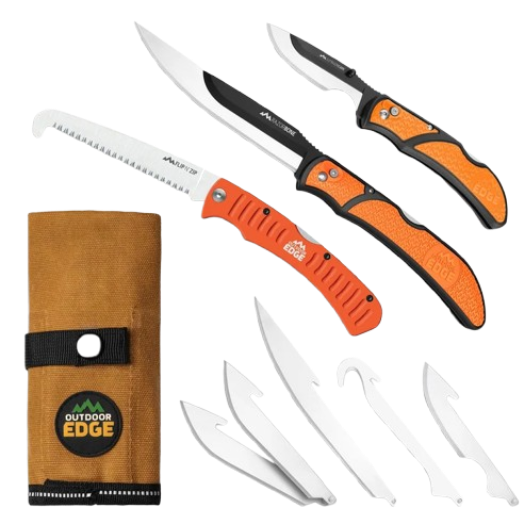
Outdoor Edge RazorGuide Pak
$109.99
Dale’s note: CWD changes the part of the hunt that starts after the shot, so I want a field kit that lets me skin and bone out a deer without improvising. The RazorGuide Pak has two replaceable-blade knives with drop-point, caping, and 5-inch boning/fillet blades, all kept together in a compact roll pack. In a CWD area, that boning blade is the piece I care about most. Follow the local handling rules, stay away from the spine and skull, and clean your tools properly when the job is done.
The Last Word
𐂂
Emergency CWD rules are not the kind of thing a hunter wants to learn after a deer is already down. They can change what you put out before the hunt, where the deer goes afterward, and how you handle the carcass.
The bigger lesson travels well beyond Delaware. When disease rules reach a hunting area, the best response is not panic. It is a cleaner plan: verify the zone, know the check-in requirements, handle the deer carefully, and use the testing that wildlife managers make available.
That protects your freezer, the herd, and the ground everybody hopes to hunt again next season.
The bigger lesson travels well beyond Delaware. When disease rules reach a hunting area, the best response is not panic. It is a cleaner plan: verify the zone, know the check-in requirements, handle the deer carefully, and use the testing that wildlife managers make available.
That protects your freezer, the herd, and the ground everybody hopes to hunt again next season.
If CWD rules changed in your county this fall, which part would you want spelled out first: bait and scent rules, carcass transport, or testing? Reply and tell me.
Know the rule before the recovery.
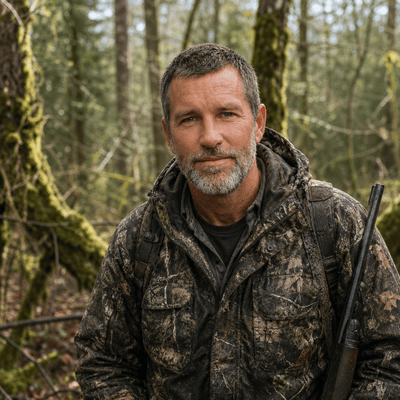
Dale Richey
Big Buck Journal
Some links in this newsletter are affiliate links. If you make a purchase through them, Big Buck Journal may earn a commission at no extra cost to you.
Member discussion