5 min read
This 355-Pound Maine Buck Had Hunters Doing a Double Take
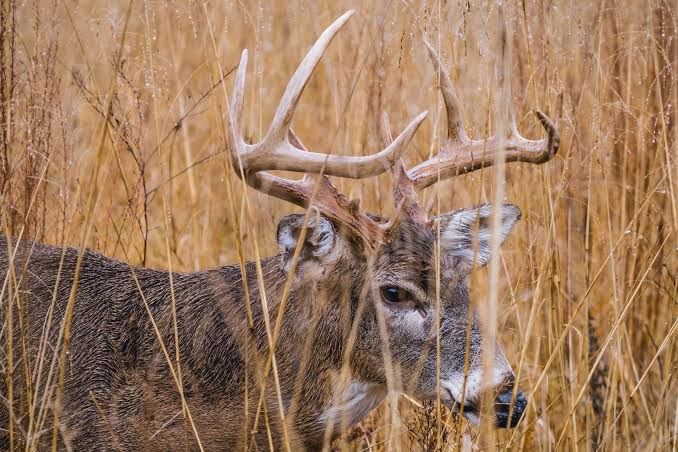
A 1955 Maine hunt produced a 355-pound dressed whitetail, then a second weighing nearly erased the record and started a fight that lasted more than a year.

The buck, the why, and the gear
Sponsored by
355 Pounds Dressed. Then Came the Dispute.
Horace R. Hinkley had hunted Maine deer for more than 40 years when a rainy November morning put the biggest-bodied whitetail of his life in front of him. The buck would eventually register at 355 pounds dressed on state-certified scales.
The kill shot was only the beginning. Getting the deer out took three men, the original weight was later challenged after the carcass had been trimmed and dried, and Hinkley spent more than a year proving the first measurement was legitimate. Let’s dive in.
The Buck
𐂂
Maine whitetail · Heavy buck · Wet-weather hunt · Story republished September 7, 2026
355 LB
DRESSED
35 YD
FINAL SHOT
28"
NECK GIRTH
Outdoor Life republished Hinkley’s first-person account from 1969 this week. The hunt itself happened in November 1955 northwest of Bingham, Maine. Rain had soaked the woods, and Hinkley liked the conditions because he could move quietly through thick cover. After a lumber foreman mentioned a giant buck locals called Old Eagle Eye, Hinkley and his wife Olive worked into the valley and stopped along a belt of winter beech.
Hinkley first caught pieces of antler and hide through the brush. He rushed an initial shot through the brush and missed. Minutes later, after Olive fired at another deer, an enormous buck came crashing toward him. Hinkley waited until the animal reached a clearer opening and fired at roughly 35 yards with his .33-caliber Winchester Model 1886. The buck went down.
Recovery was another hunt by itself. Hinkley, his brother, and his son eventually dragged the deer out after dark, moving it only a few yards at a time. Three days after the kill, state sealer of weights and measures Forrest Brown brought certified beam scales to Hinkley’s home. The buck weighed 355 pounds dressed. A later freezer-plant weighing came in almost 100 pounds lighter after several more days of drying and after Hinkley had trimmed away fat, organs, and spoiled meat. Maine officials initially questioned the record, then accepted the original certified 355-pound weight in late 1956.
𐂂 Field Fact
The often-repeated 488-pound figure was an estimated live weight, not a scale reading. The official figure at the center of Hinkley’s record claim was 355 pounds dressed.

The Woodsman’s Edge
𐂂
Wet woods can help you move. Thick cover still demands patience.
Hinkley’s hunt had two very different shot opportunities. The first was a glimpse through brush, and he missed. The second came when the giant buck broke toward a cleaner opening. That difference is worth remembering.
𐂂 Use wet weather for quiet travel, not careless travel. Damp leaves and steady rain can cover some noise, but visibility in thick cover is still limited. Slow down, keep the wind in your favor, and identify the whole target before the rifle comes up.
𐂂 Don’t shoot at pieces of a deer. Hinkley’s first attempt came at a patch of brown through brush and missed. A clear, identified target and a known path for the bullet matter more than the fear that a buck might disappear.
𐂂 Plan the recovery for the deer you hope to kill. Hinkley’s buck overwhelmed a normal drag. If you hunt deep country where vehicle access stops, know who can help, what route gets you out, and whether a cart or sled makes sense before darkness and fatigue make the decision for you.
The Camo Gap You Notice Too Late
Most camo setups look fine at home. The weak spots show up when the wind changes, the temperature drops, or the sit runs longer than planned.
Kings Camo builds hunting apparel and layering systems for different seasons and pursuits. If your fall setup needs a refresh, this is a good place to look before opening day.
Kings Camo builds hunting apparel and layering systems for different seasons and pursuits. If your fall setup needs a refresh, this is a good place to look before opening day.
The Field Call
𐂂
Would You Take The Shot?
45 yards. Heavy buck in wet beech. You can see antler, part of the shoulder, and patches of brown through the brush.
The wind is in your favor, but the buck is easing away and may disappear. You can’t see the full chest, and several branches cross the line between your muzzle and the deer.
What’s your move?
Tap your call to compare your move with the brush-country decision behind Hinkley’s hunt.
Gear Bench
𐂂
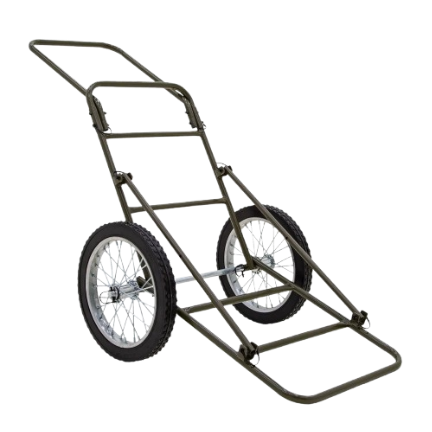
Kill Shot 500 lb. Folding Game Cart
$139.99
Dale’s note: Hinkley’s buck was so heavy that three men could only skid it a few yards at a time before stopping to rest. A folding game cart would not make every Maine thicket easy, but it changes the math once you reach a usable trail. This Kill Shot cart is rated for 500 pounds, uses a steel frame, a heavy-duty 3/4-inch axle, and two 16-inch wheels for rough terrain. It also folds for storage. I would still plan the safest route out before the hunt, but when a deer is too much for one man to drag, wheels beat pride.
The Last Word
𐂂
Hinkley’s story is remembered because of the scale, but there are two hunting lessons underneath the record.
First, quiet conditions don’t excuse a rushed shot. His first attempt through the brush missed. The clean opportunity came later when the giant buck broke into a better opening. Second, the hunt isn’t finished when the deer falls. A 355-pound dressed buck turned recovery into hours of work for three men, and the later weight dispute showed why documentation matters when something unusual hits the ground.
Make the shot clean. Make the recovery plan before you need it. And when the story sounds unbelievable, good records are worth more than a good argument.
First, quiet conditions don’t excuse a rushed shot. His first attempt through the brush missed. The clean opportunity came later when the giant buck broke into a better opening. Second, the hunt isn’t finished when the deer falls. A 355-pound dressed buck turned recovery into hours of work for three men, and the later weight dispute showed why documentation matters when something unusual hits the ground.
Make the shot clean. Make the recovery plan before you need it. And when the story sounds unbelievable, good records are worth more than a good argument.
What is the heaviest buck you have ever had to drag, and how did you get him out? Reply and tell me.
Big deer make small recovery plans look foolish.
Dale Richey
Big Buck Journal
Some links in this newsletter are affiliate links. If you make a purchase through them, Big Buck Journal may earn a commission at no extra cost to you.
Member discussion